Category Archives: Medicine & Health 疗池

Knee Osteoarthritis

By Dr. Tan Boon Cheong

MBBS (MU), MS Ortho (MU)


One of the most common cause of knee pain, especially when oneself is approaching middle age, is usually links to degenerative joint disease (age as risk factor) but it is more complex as some young people have it too and for some it may be hereditary.

By definition knee osteoarthritis is defined as chronic joint disorder in which there is progressive softening and disintegration of joint cartilage, accompanied by new growth of cartilage and bone at the joint margins and capsular fibrosis. The prevalence of knee osteoarthritis increases with age (>45 years) and females have a higher incidence compare to male.

Knee pain is one of the most common chief complaints for knee osteoarthritis. The knee pain usually takes place with prolonged walking or standing. Resting the joint will relieve the pain. Stiffness is another common complaint. The stiffness happens after prolonged immobilization especially when getting up from a sitting position or early morning when one tries to get out from the bed to walk. The patient will need to stand for a brief second before he/she can start to walk. After a few steps, the patient will feel easier to walk. Frequently, the patient may have episodic attack of knee swelling due to inflammatory process that takes place. When the knee osteoarthritis become more advance, the patient will have deformity which most of the time the leg appear curve inward, and if the patient both knees are involve; then the deformity appear like an ‘O’ shape (in most of the patients). Knee osteoarthritis has no immediate threat to one’s life, but it reduces the quality of life due to persistent pain and immobility.

The management of knee osteoarthritis starts with the establishment of its diagnosis. Beside a good history given above, an examination by a doctor will help to come to this diagnosis and exclude other causes of knee pain. A plain X-ray of the knee with the patient standing will be good enough to tell the grading of the knee osteoarthritis. Kellgren and Lawrence classification system (Grade 0 to 4) is usually use.

The treatment of knee osteoarthritis will depend on the severity of it and how much the symptoms affecting the patient on daily basis. Joint supplements such as glucosamine sulphate and chondroitin have been used widely for knee osteoarthritis. Analgesia (pain killer) can be used but will give grieve side effects if abused. Intra-articular injection of hyaluronic acid (gel), PRP (blood) and stem cells have been widely introduce but their effectiveness and cost should always take into consideration. Surgical intervention such as total knee replacement surgery will be the last resort when everything fail and the pain has affected the quality of life tremendously. Beside all the above medical treatment, the lifestyle of the patient should also be modified such as exercising and weight management.

PLASTIC AND AESTHETIC SURGERY IN TODAY’S WORLD

Dr. Lee Kim Siea

Consultant Plastic and Aesthetic Surgeon


Plastic Surgery is a sub-speciality of general surgery, it deals mainly with forms and functions of the whole body. The word plastic is derived from the Greek word ‘plastikos’ which means ‘fit for molding’, it has nothing to do with the plastic wares that we know about, plastic materials are certainly not used in the surgery.

make-up-vs-cosmetic-surgery.jpg

There are two main division of plastic surgery, reconstructive surgery and aesthetic or cosmetic surgery.  Reconstructive surgery deals mainly with repair and restoration of the loss or damaged tissues. Tissues such as bone, flesh and skin can lost or damaged in trauma, burns or surgeries to remove cancers, the resultant defects can be repaired and restored using various type of tissues from nearby or other parts of the body with various surgical techniques. The restoration of the defects give back the form and functions to the patients, allowing them to live more normally. Imagine the loss of lower jaw from surgical removal of a cancer without reconstruction…. Hand and microsurgery is an integral part of plastic surgery.

Aesthetic / cosmetic surgery concerns with improving the physical forms of the person. Patients are usually well physically, however, they are driven by dissatisfaction of the physical appearance of certain part(s) of their body.  In severe cases, they can be totally unhappy with their whole body. This dissatisfaction can result in minor or severe psychological disturbance affecting self-esteem to the extent of affecting their life. Improving the appearance thus restores their self- confidence resulting in improvement of their life. As society becomes more affluent, people are looking to more than just basic needs, money is spent to make themselves more beautiful; clothing, hairdo, accessories are made more and more expensive and attractive. Some will venture into changing or improving their appearance with aesthetic/cosmetic procedures.

Plastic surgery is not new, the history can be dated back to 15th century when there was an epidemic of syphilis resulting in many disfigured people. Plastic surgery was performed to restore the appearance of these people. The most notable procedure was the nose reconstruction which was recorded in many parts of the world including Europe and India. Procedures than were painful with many complications, even death, results were unsatisfactory by today’s standards, it has evolved through many advances in techniques, better understanding of the processes and importantly availability of more advanced materials and tools.

Aesthetic procedures can be surgical or nonsurgical. Surgeries are what plastic surgery is well known for, this involves operations to improve the appearance of the patients who are otherwise healthy; facelifts, nose operations, eyelids operations, body contouring operations, breast augmentations and fat grafting are some of the well- known examples.

Nonsurgical procedures are done without or with minimum incisions. Among the well- known ones are laser/light and energy based devices, injectables like BOTOX and fillers, thread lifts, medical skin cares and recently stem cell treatment. The aim is to beautify and rejuvenate without using the scapel.  This is the field that is growing rapidly; the affordability, the fear of surgery and minimum down time have made these procedures extremely popular. However, they are not without problems and complications, it is important to look for a qualified doctor like plastic surgeon to perform these procedures.

Beauty is a concept, it has no universal criteria. Beauty is in the eyes of the beholder. It is influenced by many factors including media. There are, however, a number of parameters that make a person’s appearance pleasing to the eyes- symmetry, proportions and harmony are important. Everyone has his/her own unique appearance and attractiveness, it is up to a plastic surgeon to enhance the attractive features and minimize the short comings in order to bring out the best in the person. The plastic surgeon must have an eye for beauty, ability to appreciate beauty and be able to visualize the results before even doing the procedure. It is both art and medicine. My philosophy is to enhance the natural beauty and not to change the person’s appearance. Although the concept of extreme makeover is being  promoted, I see it being too dramatic and too risky as the complication rate is too high; besides, it is too costly.

Plastic surgery/aesthetic procedures are not just for women. There is an increasing number of men looking for plastic/aesthetic procedures, a man with big eyebags, frown furrows, saggy face and a pot belly would not make as good an impression to clinch that crucial deal against a younger looking, more energetic appearing competitor.

Plastic surgery is simply not just for the rich and famous or the vain selected few. We seek improvement in all areas of our life, for example our physical health and mental well- being; many of us spend hours in the gym, even a manicure/pedicure takes hours; we spend lots of money on our dressing and accessories. Plastic surgery or aesthetic procedures are just an extension of this to improve our appearance, it gives a tremendous boost to our self- confidence. A lady beautifully dressed with expensive clothing and accessories would not have the same impact if her face looks old and haggard. Plastic surgery/aesthetic procedures in today’s modern world enhance our life style, it is more and more accepted as a way to enable us to look our best at whatever age.

LEAKY GUT SYNDROME

by Dr Mecherl Lim

MD (MA) Naturopath (ND),  Holistic Kinesiology


Lets us understand WHAT CAUSES LEAKY GUT SYNDROME?

INTESTINAL PERMEABILITY

A possible cause of LEAKY GUT is increased Intestinal Permeability or Intestinal Hyperpemeability.

That could happen when tight junction in the gut, which control what passes through the lining of the small intestine, don’t work properly. That could let substance leak in the bloodstream.

People with Celiac Disease & Crohns disease experience this. Example,  Toxins in form of Medications, like Steriods, Antibiotics, Advil, Acid reducing drugs and environment toxins like Mecury, Pesticides & BPA from plastic. Stress and Age might also contributes to a Leaky Gut.

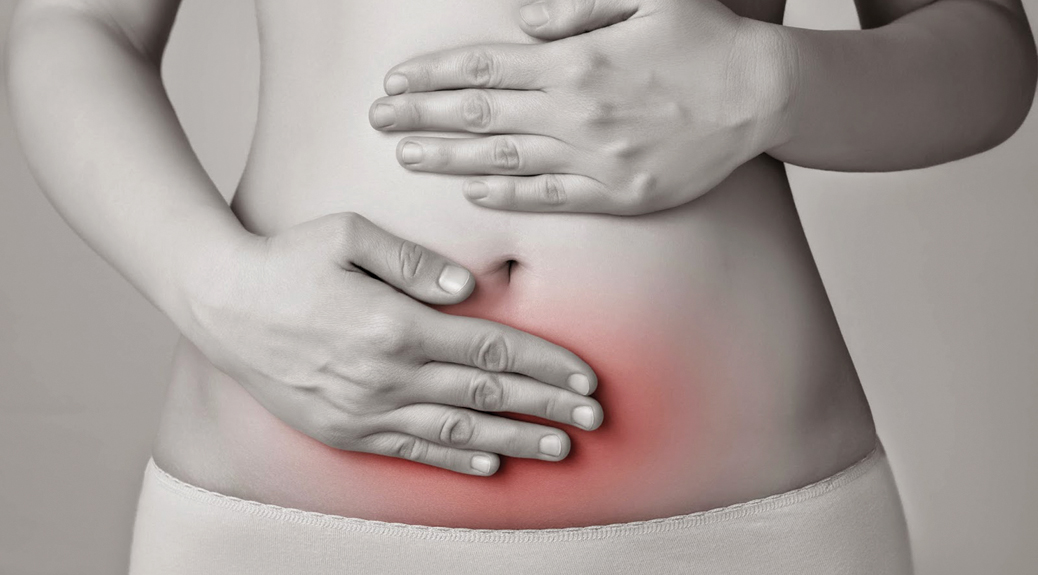
Digestive issues include Bloating, Gas, Diarrhea, Irritable Bowel Syndrome (IBS), Cramp, Food Sensitivities, Aches & Pains.

Leaky Gut Sydrome aren’t unique. They are shared by other problem too. Leaky Gut often overlooked as a condition when under disgestive stress, and almost completely ignored if you have been diagnosed with another disease.

However, it is often a root cause of many health concerns,when the gut cannot properly digest nutrients.

WHAT ARE THE SYMPTOMS OF A LEAKY GUT SYNDROME?

A number of symptoms can arise from Neurological, Endocrine and Metabolic eg: Mood Changes, Memory Lapses, Irritable Bowel, Cancer, Loss of Energy, reduced

in Immune Response, Arthritis, Malnutrition, Bloatedness,

Chronic Fatigue, general Seasonal Allergies, Food Allergies, Intolerences, Skin Rashes (related to inflammation), Nutritional deficiencies, (improper absorption),

weakend immune system (from overexertion), Candida Over Growth, Constipation, ongoing Diarrhea, Atopy, Chronic Uticaria, Ulcerative Colitis, Acute Gastroenterities, Cystic Fibrosis, Exocrine Pancreatic Defects, Poor Digestion, Iron Deficiency, Bowel Cancer, Rheumatoid Arthritis, Ankylosing Spondylitis and Maldigestion.

When your immune system attacks particles that escape into the blood stream, regardless of whether they are harmful or not, the killer cells inadvertenly attack healthy cells in the process creating more inflammation thoughtout the body.

Symptoms may spread body wide, but still be attributed to other lifestyle factors. Gaps from intestinal lining widen from inflammation.

Leaky Gut Syndrome

Untitled-2.jpg

MANY WAYS OF MANAGING LEAKY GUT AND REDUCING SYMPTOMS

  • We could support Liver Function to improve Detoxification such as 1st Phase MHT 5 Days Detoxification programme and followed by 2nd Phase MHT Detoxification as we need to check yeast infections and parasites as the person may be suffering from Achlorhydria, Lactose Intolerance and Pancreatic Insufficiency (refer http://www.drmecherlherbs.com)
  • Reinoculating the bowel with beneficial colonic bacteria, by supplementing with good bacteria count such as Proflora A.
  • Restabilising the gut epithelium to normal function.
  • Eliminate or reduce the insult to the gut barrier from xenobiotic or food allergies.
  • Follow an elimination diet or eliminate substances that produce toxic insult to the gut. 80% of individuals who have food allergens or intolerences have LEAKY GUT SYDROME.
  • Limit the uses of Alcohol, Antibiotics, Aspirin, and NSAIDS as they damage the gut barrier.
  • Reduce exposure to exogenous xenobiotics eg: pesticide, insecticides, and irritant chemicals, by eating more organically grown vegetables.
  • Increase the intake of high fibre foods, slippery elm, bananas and cabbage.
  • Increase intake of fish, cod, tuna, salmon or their oil.
  • Support the liver with supplements on phase II as above mentioned.
  • Glucosamine and Glutamine improve the bowel wall integrity and reduce bowel leakiness.
  • Improve digestion by supplementing with digestive enzymes