

TO EUROPE IN A JIFFY 直达欧洲

Thai Airways International Public Company Limited (THAI) has recently launched its inaugural flight operating directly to Vienna. Marking first flight celebrations, THAI held a reception presided by Mrs. Usanee Sangsingkeo with the attendance of the THAI’s team from Thailand and Austria. Over 250 guests attended the inaugural flight reception at Palais Ferstel in Vienna, including His Excellency Mr. Songsak Saicheua, Ambassador Extraordinary and Plenipotentiary of Thailand to Vienna.

THAI’s direct roundtrip flights to and from Vienna, located in Central Europe and the gateway to Europe, will make it convenient for passengers to connect flights to various destinations operated by THAI in Europe. Currently, THAI flies to 12 destinations in 10 countries in Europe, including Copenhagen, Oslo, Brussels, Paris, Frankfurt, Munich, Zurich, Stockholm, London, Rome, Milan, and Moscow, which equates to more than 80 flights per week. Passengers travelling from Europe will enjoy travelling to Thailand at a flight time of approximately 10 hours, especially those travelling from Austria which means direct, non-stop flights from Vienna-Bangkok.

Vienna is renown for its revered residents, such as Mozart, Beethoven and Sigmund Freud. As the city of music, Vienna is famous for its classical composers and Imperial Palaces such as Schonbrunn Palace and Hofburg Palace, as well as the Museumsquartier baroque district.

THAI operates four roundtrip flights per week from Bangkok-Vienna utilising Boeing 777-300ER aircraft that is equipped with 348 seats consisting of 42 seats in Royal Silk Class with full flat beds that recline 180 degrees and 306 seats in Economy Class. THAI’s exceptional in-flight service has won the prestigious Skytrax 2017 World Airline Awards for the World’s Best Economy Class, World’s Best Airline Lounge Spa, and Best Economy Class Onboard Catering.

从泰国热带海滩直达冷峻宏伟的奥地利山脉将不再是梦想。泰国国际航空公共有限公司(Thai Airways International Public Company Limited-THAI)近日开通了首个直飞维也纳的航班。为了庆祝首航开启,泰航代理总裁Usanee Sangsingkeo 女士主持了一项由泰国和奥地利两地泰航团队参加的招待会。250多名嘉宾也出席了这项在维也纳费尔特斯宫的首飞庆祝会,包括泰国驻维也纳特命全权大使 Songsak Saicheua 阁下。

泰国直飞往返维也纳的航班位于欧洲中部,并且在欧洲的端口,运送乘客更快捷,航班将连接到由泰国运营的欧洲各地。目前,泰国飞到欧洲10个国家12个城市,包括哥本哈根、奥斯陆、布鲁塞尔、巴黎、法兰克福、慕尼黑、苏黎世、斯德哥尔摩、伦敦、罗马、米兰和莫斯科,这相当于每周超过80次航班。而从欧洲出发的乘客将在大约10小时的飞行时间抵达泰国享受愉快旅程,特别是从奥地利前往曼谷的直飞航班。

维也纳因拥有称誉全世界的名人而备受瞩目,如音乐家莫扎特、贝多芬和精神分析家弗洛伊德。而作为音乐之都,维也纳以其古典音乐作曲家,皇家宫殿如美泉宫和霍夫堡宫,还有巴洛克风格的博物馆区而闻名。

而泰航每周4次曼谷与维也纳的往返航班,
执飞的是波音777-300er型号,该飞机配备有348个座位,其中42个座位是皇家丝绸级,即是180度平卧床,而在经济舱具备306个座位。泰航卓越的飞行服务赢得了2017年 Skytrax 全球航空业评选三项第一,即“全球最佳经济舱”、“全球最佳航空公司休息室Spa”和“全球最佳经济舱餐饮”三项大奖。
Freedom Usually Comes with a Price

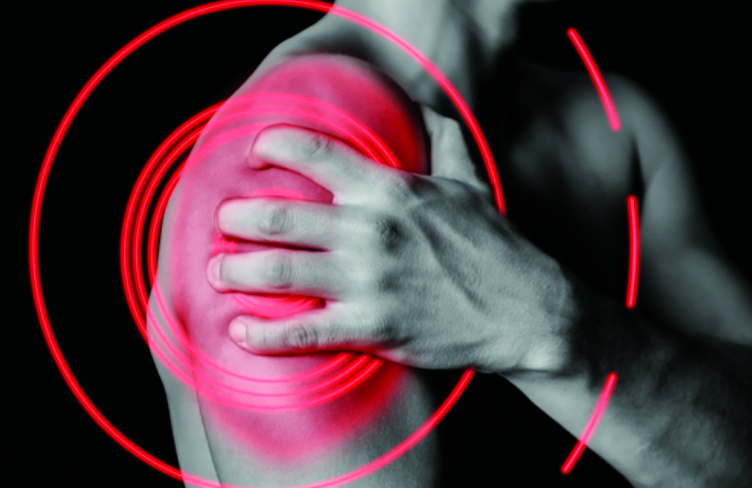
Shoulder joint, another problematic region of the body that frequently come across in orthopaedic practice. Shoulder joint is a ball and socket joint and is formed by several bony structures with muscles and tendons within it, allowing wide range of motion. In view of its nature of high mobility, this can lead to increasing problems such as instability, soft tissue or bony injury and impingement resulting in pain.

Shoulder problem usually presented with pain can be acute or chronic. It may also be presented with difficulty to move due to stiffness. A history of injury may or may not be recalled by the patient. Some of this injury is due to a collective of trivial but repetitive injury that eventually give rise to the symptoms.

Some of the commonly seen shoulder problems:

1. Tendon inflammation namely bursitis or tendinitis. (Impingement)
2. Tendon tear (acute or chronic)
3. Instability such as acute dislocation or recurrent dislocation
4. Osteoarthritis (degenerative)
5. Fractures.

The management of shoulder pain is very much depended on the history of the presentation. In an acute injury such as a fall or direct blow, a fracture/dislocation or tendon tear should be the diagnosis. If the shoulder pain happens over a period of time or after some trivial injury such as carrying heavy object or moving the shoulder joint in an extreme position in order to reach an object, then tendinitis or bursitis may be likely the cause. Shoulder osteoarthritis is more commonly seen in elderly people and the pain is usually chronic and recurrent.

A simple x-ray is good enough to look for fracture dislocation and osteoarthritis. But if a tendon tear is suspected, then MRI of the shoulder will be necessary. Depending on the cause of the shoulder pain, in most cases, these problems can be treated conservatively with rest, ice compression, physiotherapy and medications. Shoulder dislocation should be treated immediately with close manual reduction. Surgery in the form of open or key hole (arthroscopy) may be needed in some cases of tendon tear. Shoulder joint injection (steroid, PRP or hyaluronic acid) may sometimes are helpful for tendinitis or bursitis.


Chemical Sensitivity

Text by Dr Mecherl Lim, MD (MA) Naturopath (ND), Holistic Kinesiology

There are numerous factors that may participate in the development of hypersensitivity, to even minute levels of toxic and generally non-toxic chemical substances. Normal responses to subtoxic doses of chemical substances may be affected under the following conditions.

Genetic and individual abnormalities in enzyme and protein synthesis. Approximately 50% of the population are slow acetylators, example : they detoxify some chemicals slowly and thus are at risk to chemical sensitivity.

  • Poor diet and deficient nutritional states
  • Obesity and or increased fat / muscle ratio.
  • Age extremities-elderly and new born
  • Disorders of kidney and liver function
  • Gender of the individual.
  • Unstable hormone status.
  • Environmental stress conditions-heat, cold, dehydration, deficiency of oxygen (asthma), noise.
  • Achlorhydria is common in many chemical sensitive individuals and hence Vitamin B12 absorption may be impaired.

Chemical sensitivity or the allergic tendency of an individual can be inherited. However, allergic tendency, with no previous family history of allergy, can also be acquired in a number of ways. Hypersensitivity may follow viral infections such as mononucleosis or viral pneumonia, or severe emotional reactions such as grief. The most common incitement appears to be low grade, long term chemical exposure, although a short term high level exposure, such as seen in industrial accidents, may produce similar effects.

There is apparently no consistent pathway by which the immune system mediates chemical hypersensitivity or loses its control mechanism and begins to sensitize inappropriately to chemicals. The pathways used by the immune system to develop this phenomenon not only vary from chemical to chemical but from exposure to exposure, and certainly differ from individual to individual.

There are also the secondary effects or pathways of allergic inflammation to be considered, for instance, gastrointestinal symptoms range from vague indigestion to full blown colitis (inflammation of the colon). These may result in nutritional deficiencies.

The deficiencies begin with increasing the sensitivity of the immune system to food. Generalised inflammation of the gastrointestinal tract secondary to food sensitivity often causes poor nutrient absorption that leads to vitamin and mineral deficiency. Eventually the individual may become deficient in digestive enzymes, which in itself will initiate food intolerance or sensitivity.

With increasing vitamin and mineral deficiency and enzyme deficiencies, the end result is an inability to detoxify chemicals giving rise to more food and chemical sensitivities. Thus a vicious cycle is set that will only be overcome by judicious supplementation of vitamins, minerals and digestive enzymes.

Common Chemical Exposures that Cause Chemical Sensitivity

  • TERPENES – These are natural, volatile chemicals released from plants. They normally give the characteristic odour or scent of the plant, e.g., odour of fresh pine needles, orange, eucalyptus, cloves, jasmine. The level of terpene exposure depends on the time of year, highest concentration occurs during the warmest part of the year.
  • HYDROCARBON FUELS – natural gas, petrol fumes, coal gas, kerosene. Gas stoves or ranges can be a source of gas leakage in homes. Parking station attendants and petrol station attendance are in the high-risk group for this type of sensitivity.
    SYNTHETIC Synthetic ripening of fruits – such as bananas may liberate potentially harmful residue of the ripening gas ethylene. Commercial coffee that is gas roasted is another example.
  • FORMALDEHYDE PRODUCTS – are notorious for their adverse reactions in sensitised individuals. Hidden sources of formaldehyde exposure are plastics, chipboard, home insulating material (foam type), nylon carpets, mouth washes, wood veneer, latex paints, detergents soaps, hair setting solutions and shampoos.
  • PERFUMES – heavily scented cosmetic, deodorants, sprays, tobacco, scented soaps, nail polish, strong cleaning solvents and synthetic clothing or garments have all been implicated in chemical sensitivity. Beauticians and hairdressers should be aware that some of their symptoms such as headaches, irritability and fatique may be due to scented products.
  • PESTICIDES – weedicides and agriculture chemicals must also be considered as potential problems in some individuals.
  • ARTIFICIAL – colourings and flavourings.
  • CHLORINATED WATER – is also a common culprit.Symptoms of chemical sensitivity vary quite widely and include headache, irritability, fatigue, hyper or overactivity, restlessness, anxiety, sluggish thinking, malaise, muscle pain, arthritis etc.

Nutrients That Decrease Chemical Sensitivity

  • Molybdenum are enzymes involved in the detoxification of various aldehydes, sulphites & nitrates.
  • Glycine, Taurine, BCAA, Methionine, are amino acids associated with the removal of toxic chemicals and metabolites from the body.
  • Thiamine (Vit B1) helps those excess intake exposure to formaldehyde, alcohols, glycols and it is also important in energy production. A relative deficiency will cause tiredness, weakness and anxiety.
  • Pyridoxine (B6), 60 percent chemically sensitive patients are deficient in B6, which is pyridoxal – 5 phosphate, which can be overwhelmed by exposure to aldehydes. Drugs such as contraceptive pills, amphetamine, chlorpromazine can all lead to a relative B6 deficiency.
  • Choline – ingestion of a diet deficient choline has major consequences that include hepatic, renal, memory impairment and growth disorders. All are seen in some chemically sensitive patients.
  • Folate B12 – chemically sensitive individuals are low in folate and 15% are deficient in Vit B12. Many medications such as aspirin, oral contraceptive and anti-convulsant interfere with absorption and metabolism.
  • Magnesium – Approximately 40% of chemically sensitive individuals are magnesium depleted. As magnesium involved over 500 enzyme systems.
  • Substances that deplete magnesium are pollutants, alcohols, diuretics, steroids, glucose, phosphate depletion and pesticides.

Nutritional Advice

  • Filter or boil all drinking water
  • Use toxic cleaning products sparingly
  • Reduce use of plastics, toxic paints and varnishes. When painting use odourless alkali based paints
  • Do not to wear synthetic under garments or clothes. Cottons & woollens are usually safe.
  • Do not use kerosene heaters, heating should be solar based or electrical.
  • An electric stove is preferable to a gas stove, and if not possible, ensure adequate ventilation within the cooking area.
  • Insulation material and floor coverings should be inert. Preferably hard, inert materials such as stone, terrazzo, hardwood, cement, brick and terracotta tiles should be used for flooring. Be careful of wool carpeting with latex or rubber backing.
  • Soft plastics, such as plastic bags, wrapping, plastic containers, and other plastics should be removed from the home. Use glass containers.
  • Remove any synthetic or rubber furnishing in the bedroom. Use cotton pillows, mattresses. Electric blanket should not be used. Cane hardwood, leather, wool or other fibre should be used in furnishings.
  • Other sources of chemical exposure are from chemicals released from glued parts and grouting, particularly when heated, chemicals used in hobbies such as photo copying machines, pesticides used indoors or in the garden, timber impregnated with chemicals, tobacco smoke.
  • Avoid all formulated foods or drugs that contain artificial flavourings, colouring or chemicals.