Category Archives: Mind Philosophy 艺门

Serengeti New Life Permeates the Air 弥漫新生命气息

By Ben Chow-Battersby


Travel5.jpg

Ben Chow-Battersby

“My visits to Serengeti during these early parts of the year are undoubtedly my favourite; it coincides with the breathtaking scenes of Wildebeests gathering in huge concentrations and the dropping of their young in a miraculous, synchronised birthing.”

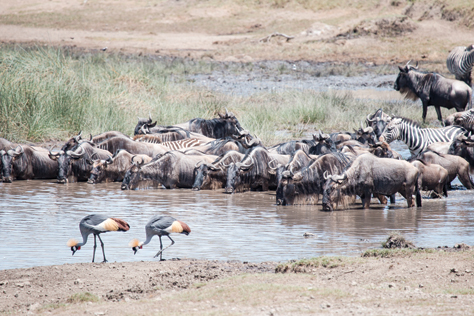
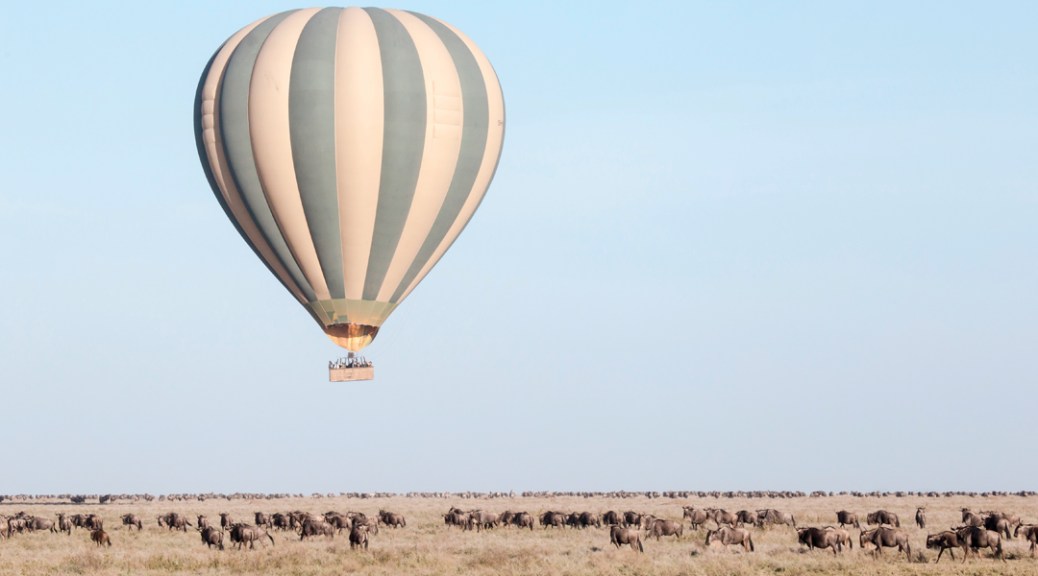
In Ben Chow-Battersby’s latest foray into the wondrous world of Tanzania’s Serengeti we are again privileged to partake in another surreal experience. This time it is the spectacle of the Wildebeest calving. From late January through to February the great herds of Wildebeest arrive in the midst of southern Serengeti’s lush short grasslands where most of the females give birth within the same 2 to 3 week period.

As part of Ben’s holistic and passionate approach towards studying all aspects of the Wildebeest migrations, this immersion into the poignant moments of the calves’ first throes of life has provided Ben with a wealth of invaluable knowledge.

“It wasn’t just the sight of the mass birthing – which is spectacular in itself – but the discovery of the calving structure and the complexities in behaviour amongst the Wildebeest social groups that was fascinating. I was able to observe the tell-tale signs of the birthing spectacle and this final trip elevated my understanding of the Wildebeests’ way of life to a very intimate level.”

One of the most vivid experiences was witnessing the delicate juxtaposition of life and death. Within minutes of birth the calves are able to stand on its own and trot alongside their mothers.  However, with the imminent threat of prowling predators such as hyenas, lions and cheetahs many of the Wildebeests become easy prey, even in the relative ‘safety’ of the short grasslands.

Accompanying Ben on this expedition was Ali McCann – a Melbourne based visual artist and arts educator who was able to lend her penetrating gaze in the pursuit of recreating the awe-inspiring moments of the Wildebeest calving.

“It was such a fantastic opportunity to explore wildlife photography; something I had not explored in great depth in my photographic work until now. I felt as though I was learning so much about the entire African ecosystem on each daily adventure with Ben,” says McCann.

As the newborn Wildebeest calves make their way through the Grumeti and Mara rivers with the rest of their herd, the uplifting and irrepressible sense of new life permeates the air. And just as the calves create a new life for themselves, Ben’s upcoming book detailing the stunning intricacies of the Wildebeests’ annual migration will embark on a journey of its own.

Travel6Travel4Travel3

“我在今年早前曾来到塞伦盖蒂,毫无置疑这是我喜爱的地方。不过这次展现叹为观止的壮观景象,这些成群结队的角马聚集形成盛大场面,它们的小崽子在一个奇迹般的同步分娩中诞生。”

当Ben Chow-Battersby再踏入坦桑尼亚塞伦盖蒂(Tanzania Serengeti)奇妙的世界,也再次荣幸赶上了另一场超现实的经历。这次是角马或称为牛羚(Wildebeest)产犊的奇观。从1月下旬至2月,壮观的角马大部队抵达塞伦盖蒂南部郁葱的低草草原,其中大多数母角马集中同在2-3周内产子。

Ben对于角马这个动物的迁徙各方位细节投入了全面的热情研究,沉浸在初生之犊首次诞生的阵痛时刻,也为他带来宝贵的知识财富。

“这并非只是简单的生育过程-本身是壮观具备意义的-还可探索到一种令人着迷的角马群体生产结构和行为复杂性。而透过本次观察角马产子奇观之旅,让我对它们的生活方式的了解提升到深入水平。”

其中最生动的经历之一就是目睹了生死攸关的微妙局面。小牛在出生几分钟后即可站立,并与母亲一起跑步。然而,随着鬣狗,狮子和猎豹等捕食者的虎视眈眈,瞬间让角马成为囊中猎物,即使在低草草原相对“安全”的环境。

而伴随着Ben参与本次探险之旅的 Ali McCann是一位来自墨尔本的视觉艺术家与艺术教育者,其中也借鉴她的敏锐观察力,重现角马产犊的珍贵时刻。

“这是通过摄影探索野生动物生活形态的绝妙良机。这是至今我在摄影作品中未能深入解析的东西。我觉得与Ben在非洲生态体系度过的每日探险中获益良多。” McCann说。

当新生的角马和其他族群一起穿过格鲁梅蒂河和马拉河时,空气中弥漫着一种令人振奋和难以抑制的新生命气息。就像这些初生之犊为自己创造新生活一样,Ben也会在即将出版的书中详细描述常年的“角马迁徙”所踏上的绚丽
之旅。

Travel7Travel2

Ding Yan Yong 丁衍庸

MindPhilosophy9.jpg

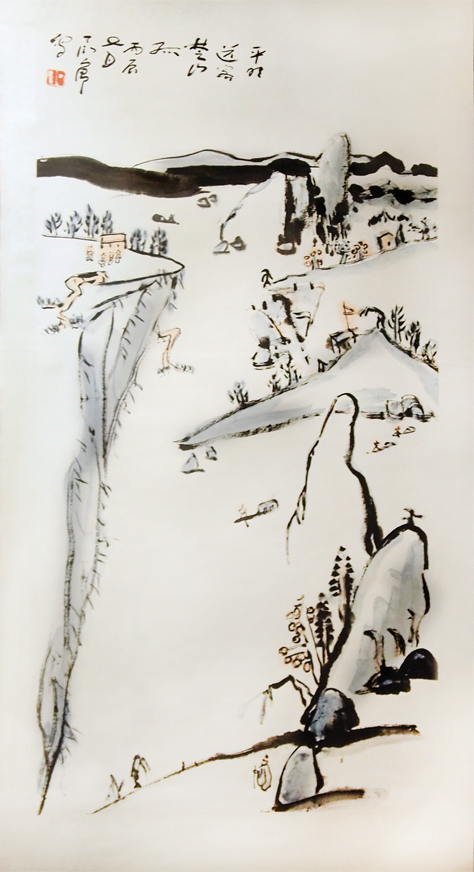
Blue Landscape – 1976, 135 x 69cm

‘A crane reminds him of the Song Dynasty poet, Lin Pu, a recluse and crane fancier who calls cranes his children – a somber bird, Ming Dynasty’s ill fated Pa Da Shan Ren or Zhu Da. who painted and drank his royal life away, saddened by the politics of the Dynasty. “His birds were arrogant, sad and defiant.”(TC. Lai)


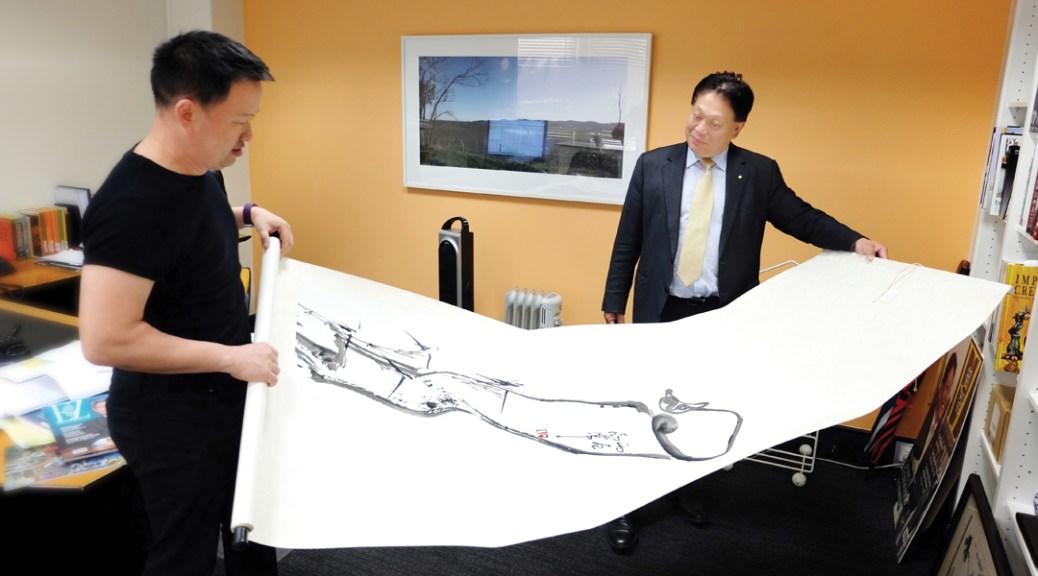
So much has been written on Ding Yanyong, from scholars of art to authors, critics and adored students. His life can be read in many publications from Commercial Galleries where he exhibited to Museums and Government Art Galleries.

His works have been collected by hundreds of students and collectors, now worldwide, but there was a time when he gave his works to his best student and friend, Mok E Den of Hong Kong to sell them to anyone as he needed finance. If only I knew him then!

I attended an exhibition of Chinese Art at the Chinese Department, University of Melbourne, headed by Professor Harry Simon in the 1970’s. It included Ding Yanyong’s one painting, of a bird. It struck me as someone, so comical and simple, inferring a subject more serious, symbolic of certain human conditions. A crane reminds him of the Song Dynasty poet, Lin Pu, a recluse and crane fancier who calls cranes as his children – a somber bird, Ming Dynasty’s ill fated Pa Da Shan Ren or Zhu Da, who painted and drank his royal life away, saddened by the politics of the Dynasty. “His birds were arrogant, sad and defiant.”(TC. Lai)

Ding, came to Melbourne Australia on our invitation to exhibit his paintings. He could not speak much English but fortunately, I could speak Cantonese. There were no hotels in 1975 with Chinese staff, so he stayed with me.

One morning he was excited by a rare sound near the house, saying, “even the birds in Australia know my name. They keep calling me Ding, ding and ding,” the call of the bell birds in the bush, it made him so happy!

That year 1976 he demonstrated his art in the National Gallery of Victoria, to a fascinated and skeptic mixed crowd of art lovers. At the conclusion, they were stunned by him and his chain-smoking performance. He never spoke, just painted for an hour, after which he demanded Australian ice-cream to cool him. He donated some paintings to the Gallery. That year he sold out two Exhibitions of works, in Melbourne and Sydney but it had no effect on him, he just loved to paint. At dinner or lunch he would scribble on napkins, even the  tablecloth, while he talked, and I never salvaged any of them!

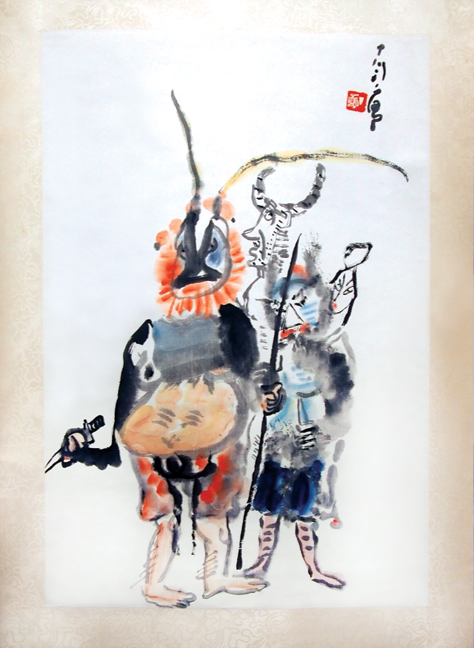
His subjects varied from ludicrous, opera figures to Buddhist monks, world weary warriors to gigantic landscapes and the birds and flowers theme. But most inspiring of all were his 1-pi works of cranes, cats, rabbits and rarely figures. 1-pi painting means using ink and brush to paint a subject with only one line, without ever lifting one’s brush off the paper, till accomplished. The ink has to last and not run out or the single line be broken. Ding’s Crane was most extraordinary and so accomplished, it is difficult to fault.

Today I wonder what Ding would think of the prices, he is achieving in auction, in Japan, Hong Kong, China, America, Europe and Australia. The National Gallery of Victoria boasts a collection, with gratitude to  Jason Yeap of Mering Corporation Ltd. who recognised Ding’s talent and donated many works.

Ding Yanyong has a niche in 20th/21st century of Chinese Art.

OLYMPUS DIGITAL CAMERA
Opera Figures – circa 1976, 69 x 45cm
OLYMPUS DIGITAL CAMERA
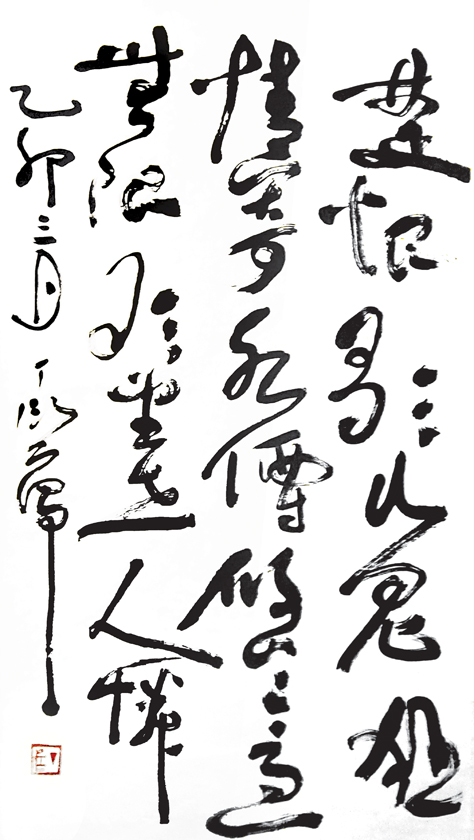
Poem – 1975, 152 x 82cm

丁衍庸的事迹从艺术学者到作家、评论家和崇拜的学生所撰写的书籍皆有提及。他的生平点滴可从商业画廊的众多出版物中阅读,包括他曾在博物馆和政府艺术画廊的展出。


放眼世界,有上百位学生和收藏家都有珍藏他的画作,但有段时间他将作品托付于在香港的爱徒兼友人莫一点四处售卖,因为当时他需要资金。如果那时我认识他简直难以想象!

1970年,我参加了墨尔本大学中华部举办的中华艺术展览,由Harry Simon教授主导,其中包括丁衍庸的一幅画:一只鸟。这让我感到震撼,笔触有点滑稽和简单,却是探讨严肃的主题,并且直通人性。而鹤也让人想起了宋朝的诗人-林逋,一个隐士和鹤的热爱者,他将鹤当做孩子。而一只忧郁的鸟,明朝命运多舛的八大山人或朱耷,他沉浸在绘画和酒瓶子的生活,对王朝的政治感到悲哀。“他笔下的鸟是傲慢、悲伤和挑衅的。”(TC.Lai)

1975年,丁衍庸应邀去澳大利亚墨尔本展出他的画作。他不会说英语,但幸运的是,我能讲粤语。由于当时中国一行人没有住宿酒店,所以他和我住在一起。

一天早晨,他在房子附近听到一种罕见的声音,兴奋地说:“连澳大利亚的鸟儿都知道我的名字。它们不停地叫我丁、丁和丁。“在灌木丛中风铃鸟的鸣叫,让他感到极度雀跃。

1976年,丁衍庸在维多利亚国家美术馆展示他的艺术作品,毫无疑问这是一群艺术爱好者的聚头。最后,许多人被他不间断抽烟的表演镇住了。他没说过话,只是画了一个小时,之后他要求提供澳大利亚的冰淇淋降下温,他最终把一些画捐赠给美术馆。那一年,他在墨尔本和悉尼仅出售了两件作品,但却对他没影响,他纯粹喜欢画画。在早晚吃饭用餐的时候,他会在餐巾纸上涂画,甚至桌布上也会涂鸦,即使他在说话中,而我却没办法抢救到任何一张。

他的作画主题从滑稽的戏曲歌剧人物到佛教僧侣,厌世武士到庞大景观,还有鸟和花的主题。但最鼓舞人心的是他的一笔画作品,包括鹤、猫、兔子,少数人物像。“一笔画”意味着用墨水和画笔在纸上仅用一条线完成绘画,其中墨水和线条笔画必须连续一气呵成,中断就是失败。丁衍庸所画的鹤是最非凡和成功的,几乎没出错的机率。

今天,我想知道丁衍庸会如何看待价格,他的作品在日本、香港、中国、美国,欧洲和澳大利亚的拍卖会上取得了成功。维多利亚国家美术馆也收藏了一套珍藏,感谢Mering Corporation Ltd的叶绍礼(Jason Yeap)。他慧眼识丁衍庸的才华并捐赠了许多作品。

丁衍庸在20世纪至21世纪中国艺术界占有一席之地。

MindPhilosophy12.jpg
I Pi Crane – 1976, 69 x 34.5cm

MindPhilosophy13.jpg


By Marjorie Ho

Precision Meets Creativity 精度邂逅创意

Finch & Partners & Jaeger-LeCoultre continued their collaboration with the third series of the exhibition ‘The Art of Behind The Scenes’. The vernissage held at the Hôtel du Cap (Antibes) on 19th May 2017, coincided with the Cannes Film Festival and the Charles Finch Filmmakers Dinner.

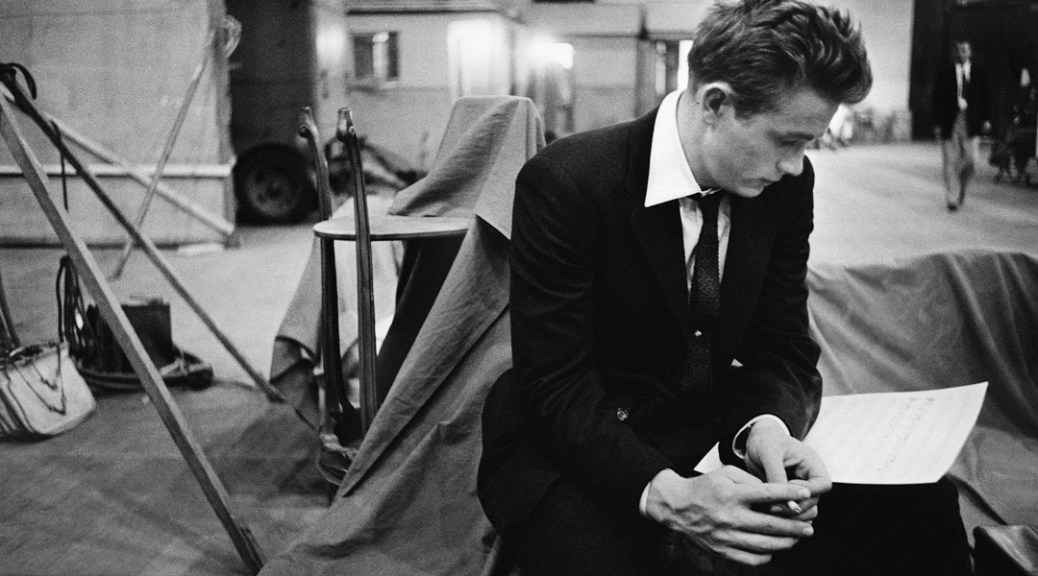
This third series by Finch & Partners reveals a selection of photographs taken by some of the world’s most accomplished ‘on-set’ photographers providing an opportunity to celebrate the art of photography and to travel back into the golden era of filmmaking. Jaeger-LeCoultre also displayed a Compass camera created in 1938. This exceptional vintage camera pays tribute to the legacy of the Manufacture with a further series of classic photos captured through its camera lens in New York, Paris and Shanghai.

MindPhilosophy7.jpg

Finch & Partners 与积家 (Jaeger-LeCoultre) 再续前缘,合作系列3的“幕后的艺术”摄影展览会。展会开幕日2017年5月19日,在法国昂蒂布(Antibes) 的杜卡普酒店 (Hôtel du Cap) 举行了庆祝活动,恰逢戛纳电影节和 Charles Finch 的电影制作人晚宴。

由 Finch & Partners 制作的第三系列揭示了全球最成功的“片场”摄影师所拍摄的照片,这是欣赏绝佳摄影视觉艺术的良机,也让我们返回经典电影制作的黄金时代。积家也展示了1938年生产的古典罗盘相机,透过这相机镜头,也致敬了在纽约、巴黎和上海捕捉制作的一系列经典照片。