Category Archives: Medicine & Health 疗池

Women’s Reproductive Health

by Dr. Mecherl Lim

MD (MA) Naturopath (ND), Holistic Kinesiology


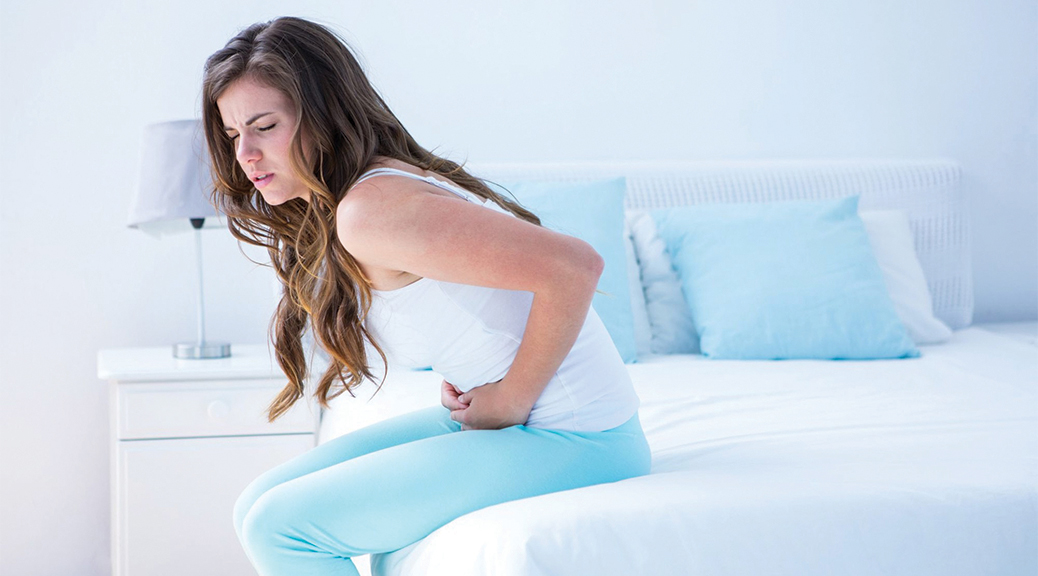
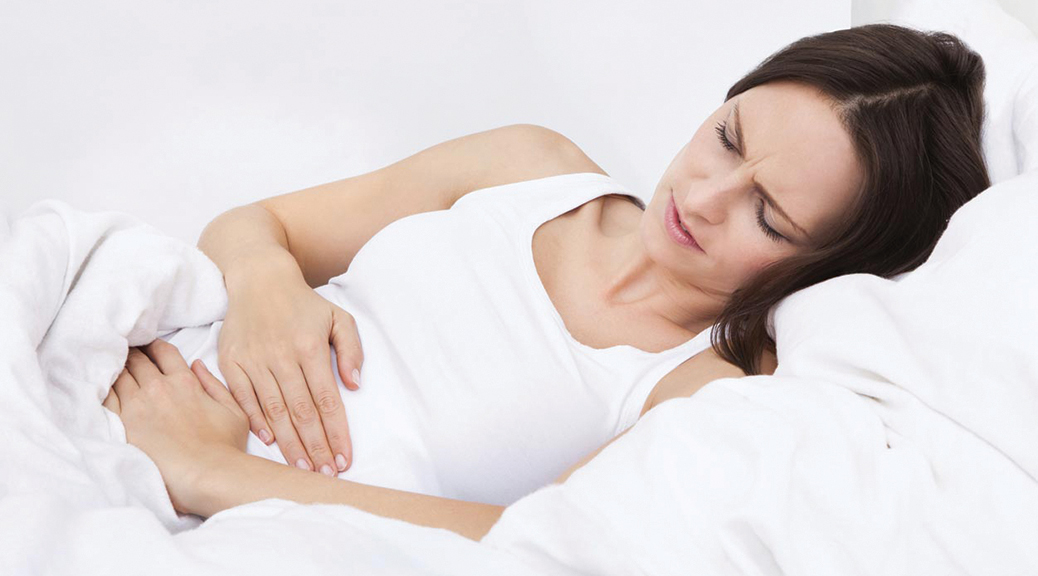
This is lower abdominal pain that commences just before or during menstrual flow, the first 24 hours being the most painful. 

About 70 percent of women experience some degree of menstrual pain.

WHAT ARE THE SIGNS AND SYMPTOMS?

The pain may be gripping, cramping or a constant ache, and it ranges from mild to severe.  Sometimes it spreads to the back and down the legs.  Period pain may sometimes be accompanied by scanty or heavy flow with clots, headaches, nausea, vomiting, constipation, diarrhoea, sore breasts or dizziness and fainting.

HOW IS IT DIAGNOSED?

A medical diagnosis is required to find out if the pain is menstrual or something else.  Primary dysmenorrhoea is normal menstruation that is accompanied by pain.  Secondary dysmenorrhoea is linked to a cause such as endometriosis, fibroids or polyps.

WHAT CAUSES IT?

Primary dysmenorrhoea is caused when the uterus contracts to eliminate its lining.  Women with period pain probably have high levels of prostaglandins and these compounds over stimulate the uterus.

Secondary dysmenorrhoea has a medical cause such as fibroids (obstructive internal uterine growths) that cause the uterus to contract more powerfully than normal.  Intrauterine contraceptives are also linked to period pain.

HOW ALLOPATHY DOCTORS TREAT IT?

  • Primary dysmenorrhoea
    • Painkilling drugs, such as paracetamol
    • Prostaglandin inhibitors, such as ibuprofen
    • Oral contraceptives often eliminate period pain
  • Secondary dysmenorrhoea
    • The medical treatment depends on the cause and may involve hormones, anti-inflammatory pharmaceuticals or surgery.

PHARMACEUTICAL USE

All drugs have a long list of cautions and adverse effect, as you will see from package inserts or by looking at the MIMs Annual in your library.  Not everyone experiences side effects and you may need to take a strong, quick acting medication for severe symptoms and particularly for pain. If a few over the counter painkillers, such as paracetamol, prevent period or other pain, then that’s the simplest most effective and economical treatment-and it’s unlikely that you will experience side effects from taking, say, two to six tablets a month.

THE HOLISTIC APPROACH

Bed rest with abdominal heat (such as a hot water bottle) is a standard recommendation. This works better if you gently massage about six drops of lavender oil onto your abdomen before applying the heat and lie on your back with a large pillow under your knees.  A combination of eucalyptus and peppermint oils also helps some women and this combination may prevent a headache if you put a few drops on the back of your neck and one drop at the end of your nose.

Herbs : Specific herbs such as cramp bark and wild yam, Chaste tree, Dong Quai, Red Raspberry leaf, False Unicorn, Feverfew, Cinnamon that helps to relieve pain and inflammation and reduce the need for pharmaceutical painkillers.

You can also use Dr. Mecherl SHE 18 which is already a combination of the above herbs and you can also see the tea recipe under “Endometriosis” Supplements.

A combination of evening primrose and fish oil works well (and even more so if vitamin E is in the formula), such as Dr Mecherl Femi Vita M or Femi HH.  Neuromous (Magnesium) is sometimes helpful,  I recommend these daily for three months, and if effective relief is relieved, reduce the dose to two weeks, then re-evaluate every few months to find the lowest helpful dose.

This type of schedule works for a number of natural remedies and the aim is to find the lowest helpful dose that works in your case. Subsequently, some women stop taking all remedies, although their pain may recur following illness or major stress.

Other remedies are exercise such as easy yoga may help ease abdominal tension and improve blood flow and therefore reduce pain.  Some women say a glass of wine or a nip of brandy helps!

HOW CAN YOU PREVENT?

Regular exercise throughout each month generally relieves congestion and stress.  Also, you will see under “Premenstrual syndrome (PMS) that a scientific trial showed that a vegetarian diet helps reduce period pain.

GOOD ADVICE

Always do something about pain, because it increases inflammation, prevents sleep, may cause depression and blocks enjoyment.


Dr Mecherl Lim

An Intuitive Medical Practitioner in Alternative Medicine (MD) (MA), Naturopath (ND), Holistic Kinesiology (HK), and Functional Medicine (FM)

Next  No 52 Issue : CANDIDIASIS

Visit : http://www.drmecherlherbs.com

Email : drmecherherbs@gmail.com

FACEBOOK : drmecherlherbs for further enquiries.
WOMEN’S REPRODUCTIVE HEALTH

by Dr. Mecherl Lim

MD (MA) Naturopath (ND), Holistic Kinesiology


I would like to overview 5 common women’s reproductive health problems and aim to assist you in making informed decisions about treatment options and to suggest ways you can incorporate practical preventive strategies into your lifestyle.

Fortunately, we live in a time when women’s  health issues are more openly discussed and it’s our hope you’ll perpetuate the wisdom gleaned from the following pages by sharing this with the women-men-in your life.

PREMENSTRUAL SYNDROME (PMS) – A disorder associated with a cluster of symptoms is classed as a syndrome. About 90 percent of menstruating women experience mood changes, fluid buildup and various other problems two to 14 days before menstruating. These symptoms may disrupt everyday life in about 10 to 20 percent of women.

WHAT ARE THE SIGNS AND SYMPTOMS?

More than 100 different symptoms of PMS have been reported.

The most common:

  • Irritability or aggression,
  • Depression and low self-esteem,
  • Insomnia,
  • Sore breasts,
  • Abdominal bloating/constipation,
  • Headaches.
  • Food cravings and binge eating,
  • Back and muscle pain,
  • Pelvic discomfort &
  • Reduced concentration, “fuzzy” brain.

HOW IS IT DIAGNOSED?

A diagnosis is based on the pattern of symptoms experienced by women.  Sometimes medical hormone test is used.

WHAT CAUSES IT?

Australian medical experts say the cause of PMS is unknown but there is some link to emotional, physical and hormonal factors.

POSSIBLE CAUSES INCLUDE :

  • Reproductive hormone imbalances may relate to relative levels of estrogen, progesterone, prolactin, and testosterone – or their breakdown products (metabolites). It is possible to have a normal level of a particular hormone but it may be blocked because it interacts with something else.
  • Cortisol, the stress hormone, increase blood sugar levels, which gives you a boost. However, when the levels decrease, you may feel tired and crave sugary foods.
  • Aldosterone, another adrenal hormone, affects the minerals  (electrolytes) and fluid balance.
  • Stress affects reproductive hormones, and your hormones may fluctuate more than “normal”. All changes are somewhat stressful and one theory is that when the levels of any hormone drop, you may experience “withdrawal”.
  • Other causes may be nutrient deficiencies or excesses, prostaglandin deficiencies or excesses, lowered natural opiates or neurotransmitters and live /intestinal malfunctions.

HOW THE DOCTORS TREAT IT :

Current medical options include hormone therapy, oral contraceptives, antiprostaglandins (for pain), antidepressants, diuretics, and bromocriptine. Natural progesterone is probably the safest medical option, but scientific trials show it’s no better than placebo (Wyatt K, Dimmock P, Jones, et al, “Efficacy of progesterone and progestogens in management of premenstrual syndrome: a systematic review” British Medical Journal 323 (2001) : 776-80.

In a scientific study of isoflavones (which are commonly isolated from red clover or soy) for periodic breast pain (cyclical mastalgia), after three months of treatment nine out of 12 women had less pain compared with two of six on placebo. The researchers stated the isoflavones act as weak anti-estrogen and have no side effects. I suggest a more economical way of getting a good dose of isoflavones is to have a quarter of a cup of (phyto Nutri) alfalfa, mung beans or other sprouts daily

THE HOLISTIC APPROACH HERBS :

  • Chast tree produces a significant decrease in PMS symptoms compared with placebo and this has been verified in the least 15 scientific trials. Most trials lasted about three months and used low dose, guaranteed potency or standard products. example Dr Mecherl SHE 18.
  • St John wort, if the main symptoms are depression.
  • Ginkgo, for reduced concentration and breast tenderness.
  • Feverfew, to help prevent headaches.

SUPPLEMENT :

  • Vitamin B6 (pyridoxine) and magnesium have helped women more than placebo, although vitamin B6 alone is not as successful as a chaste tree (She18). (Common doses are 50mg of pyridoxine and 20mg of magnesium.) *Evening primrose oil is helpful when women are deficient in essential fatty acids or have problems with oil metabolism.
  • Calcium maybe helpful but depends on diet and absorption. Some women consume six serves of dairy foods daily (equivalent to about 3000mg of calcium), which is excessive and likely to interfere with other nutrients as well as being too alkaline.
  • Taking a multivitamin/mineral supplement improves symptoms in 17 out of 23 women. This is not surprising because when women with PMS are tested, they invariably have low levels of a number of vitamins and minerals compared with women who have minimal or no PMS.

DIET

In a dietary trial for premenstrual symptoms (PMS) and period pain, 33 women followed a low-fat vegetarian diet for two menstrual cycles. The diet consisted of grains, vegetables, legumes and fruit with no restrictions on quantity. (Animal products, added oils, fried foods, avocados, olives, nuts, nut butter and seeds were eliminated.) The symptoms and pain fell significantly.

This diet would provide a high level of phytoestrogens and fiber and consequently, the body’s own estrogen uptake would be lowered and constipation/ bloating would be reduced. However, in the long term, it would cause vitamin B12 deficiency unless a supplement was taken. Eggs, lean meat, yogurt, olives, avocados, nuts, and seeds are health-enhancing foods that should be eaten regularly in moderate quantities (besides, they re enjoyable to eat and also allow you to socialize normally!).

Dietary surveys indicate women with PMS tend to eat significantly more junk food, notably sugary, fatty and salty foods. Perhaps this indicates a need for energy or consolation? On the other hand, dieting makes you hungry, lowers your blood sugar, your brain doesn’t work properly, you feel tired and you grab foods to give you quick relief. You need energy before you can achieve anything. Have a large mixed vegetable salad or soup with lunch and plenty of cooked vegetables at night to help fill you up and to avoid weight gain.

HOW CAN YOU PREVENT IT?

  • Have varied, non-restrictive diet using foods in a natural a state as possible.
  • Avoid refined carbohydrates (sugars, white flour and so on) and fad diets.
  • Lack of essential fatty acids is linked to PMS, weight gain, excessive mood changes, lowered concentration, joint and muscle pain, food cravings, fatigue and breast tenderness. The best way to get essential fatty acids is from foods such as fish (especially herring, sardine, and salmon), nuts and seeds, virgin olive oil and avocado.
  • Don’t use foods for reward or consolation.  Find other strategies such as outings, music, aromatherapy, massage or books.
  • A study showed that jogging or walking about 2.5 kilometers daily for six months give significant reductions in fluid retention, breast tenderness, and the overall symptoms picture. If you are jogging or doing aerobic exercises, make sure you wear a firm support bra or you may aggravate breast soreness.

GOOD ADVICE :

A whole food diet (with occasional treats), regular exercise and enjoying your life are basic PMS treatments.

Peanut Allergy CURE on the Horizon

By Professor Mimi Tang

MBBS(Hons) PhD FRACP FRCPA FAAAAI

Peanut allergy is the most common cause of life-threatening anaphylaxis in children and it can cause death.

Rates over the past 20 years have skyrocketed by more than 350 per cent. That’s why a groundbreaking study by the Murdoch Children’s Research Institute to help children develop tolerance to peanut has been embraced worldwide and continues to make headlines.

In the study led by Professor Mimi Tang, over 60 peanut allergic children were either given a dose of a probiotic, Lactobacillus rhamnosus, together with peanut protein in increasing amounts, or a placebo over 18 months to assess whether children would become tolerant to peanut.

Astoundingly, researchers found over 80% of children who received the oral immunotherapy treatment were able to tolerate peanut at the end of the trial, compared to less than 4% of the placebo group. This is 20 times higher than the natural rate of resolution for peanut allergy.

And more than four years after this original trial, the treatment has shown long-lasting effects. The majority of children who gained initial tolerance are still eating peanut as part of their normal diet (80%) and have passed a further challenge test confirming long-term tolerance to peanut (70%).

Prof Tang said these findings suggest this treatment is safe and effective at inducing long-term tolerance, up to four years after completing treatment.

“The importance of this finding is that these children were able to eat peanut like children who don’t have peanut allergy and still maintain their tolerant state, protected against reactions to peanut,” said Prof Tang.